Chinchilla fur

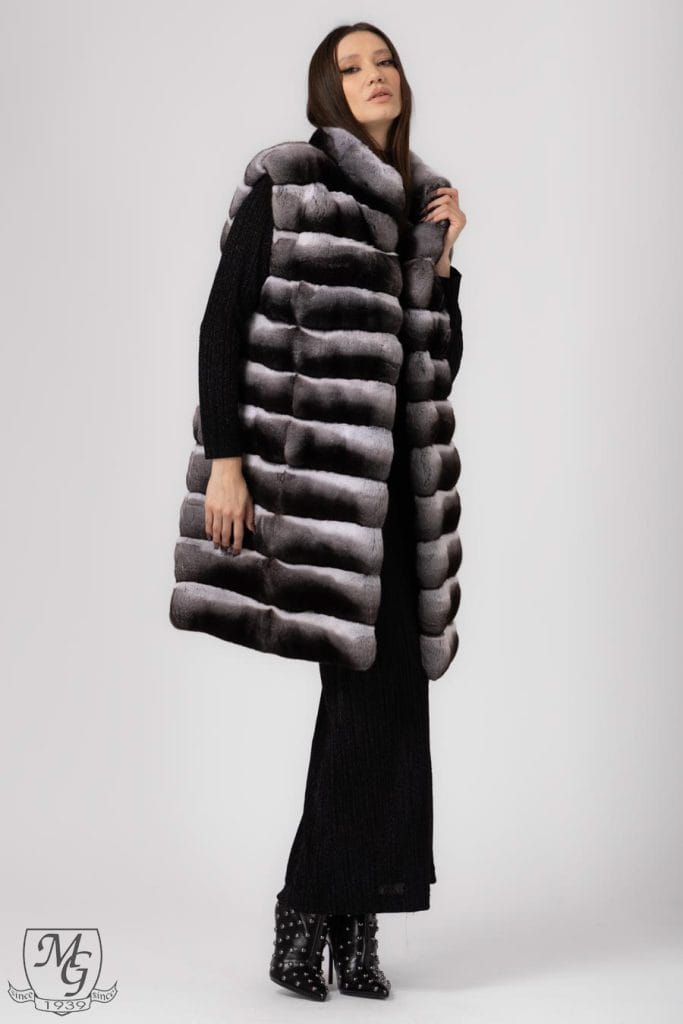
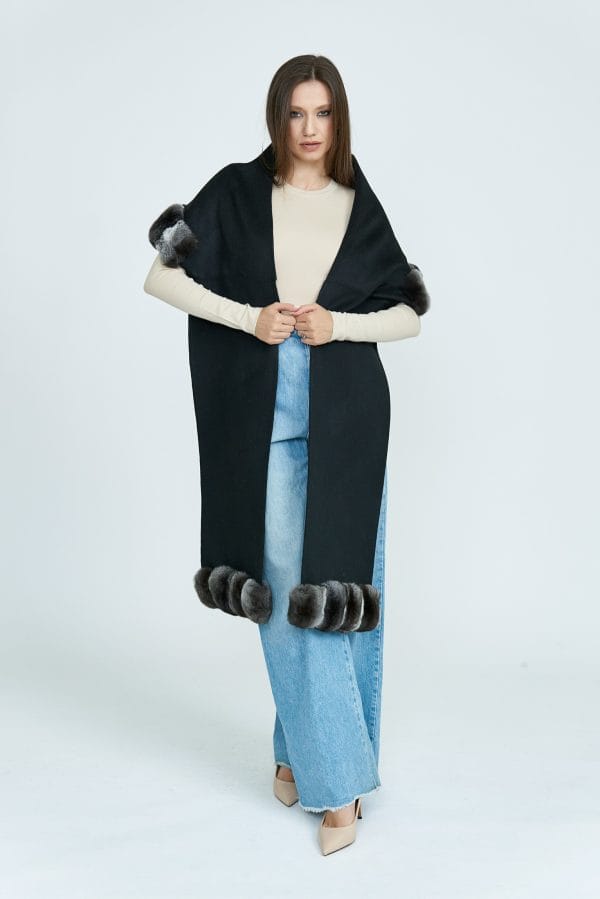
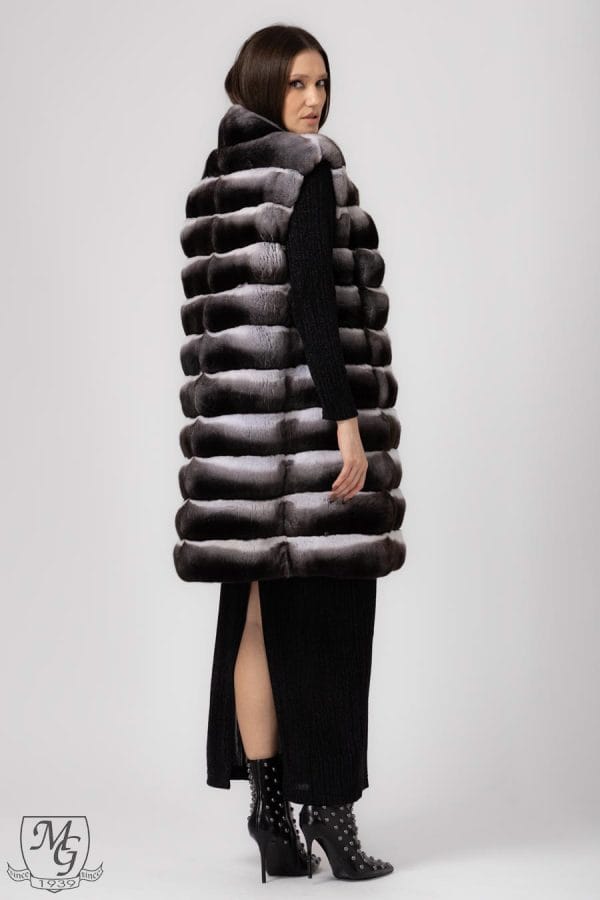
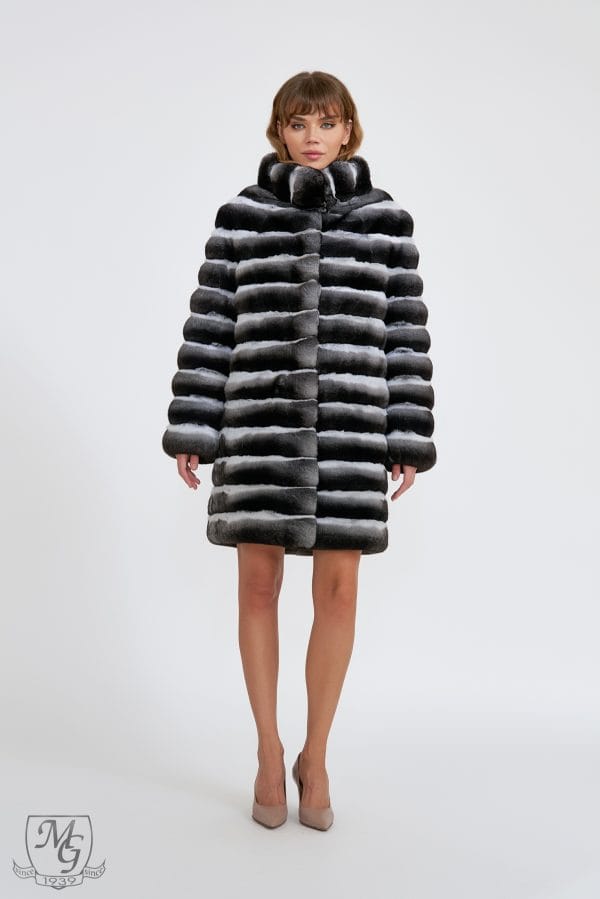
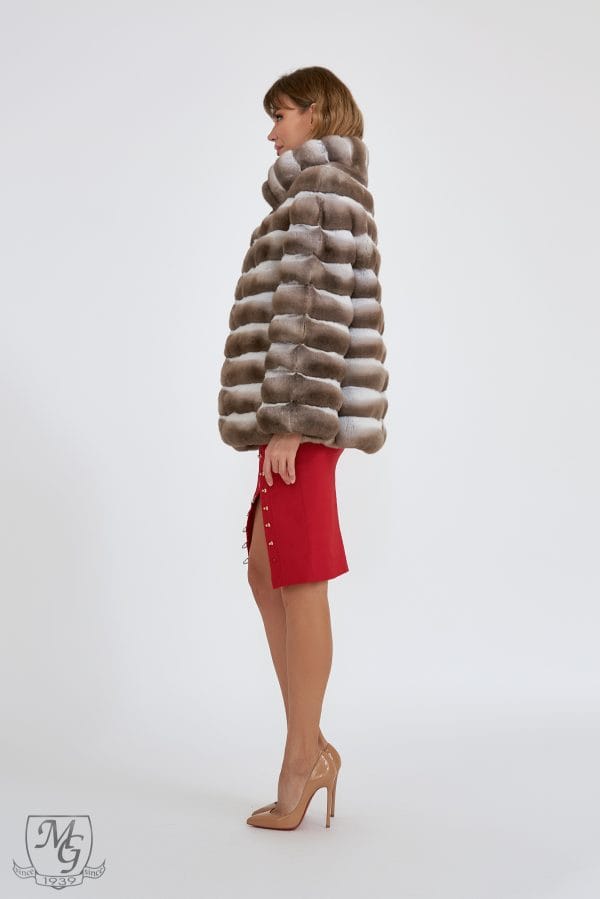
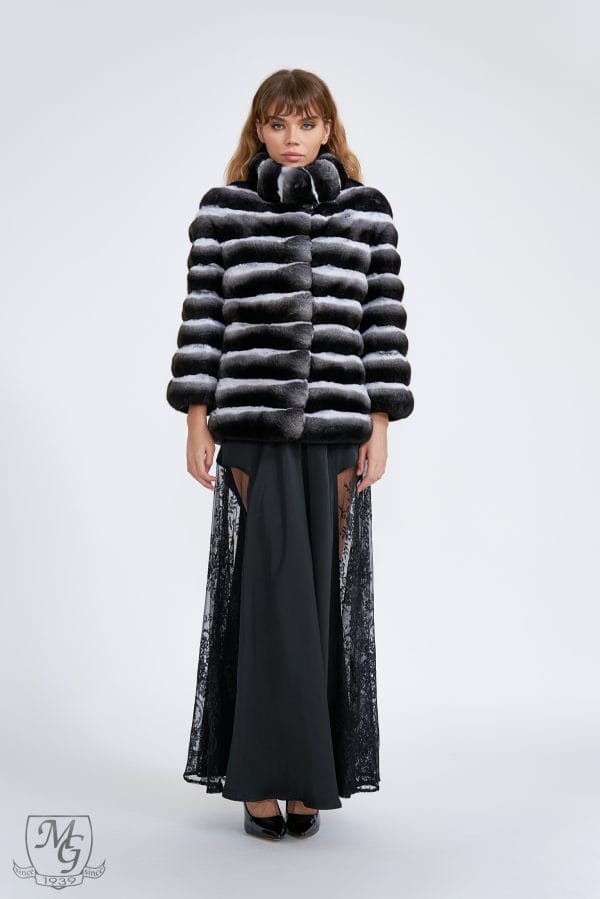
Chinchilla fur: current selection of styles Here you’ll find women’s chinchilla fur garments: jackets, coats, vests, capes/stoles and accessories.
    Chinchilla fur: current selection of styles

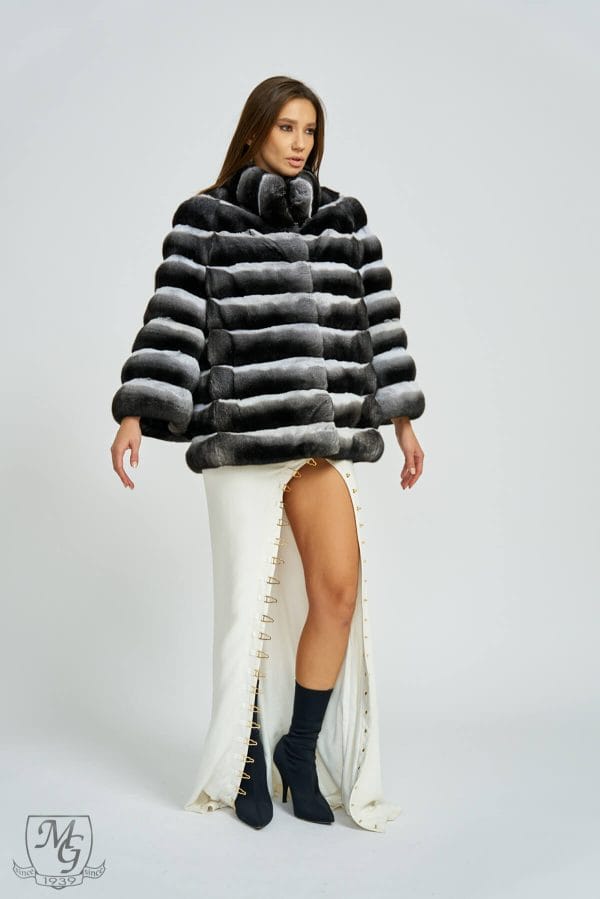
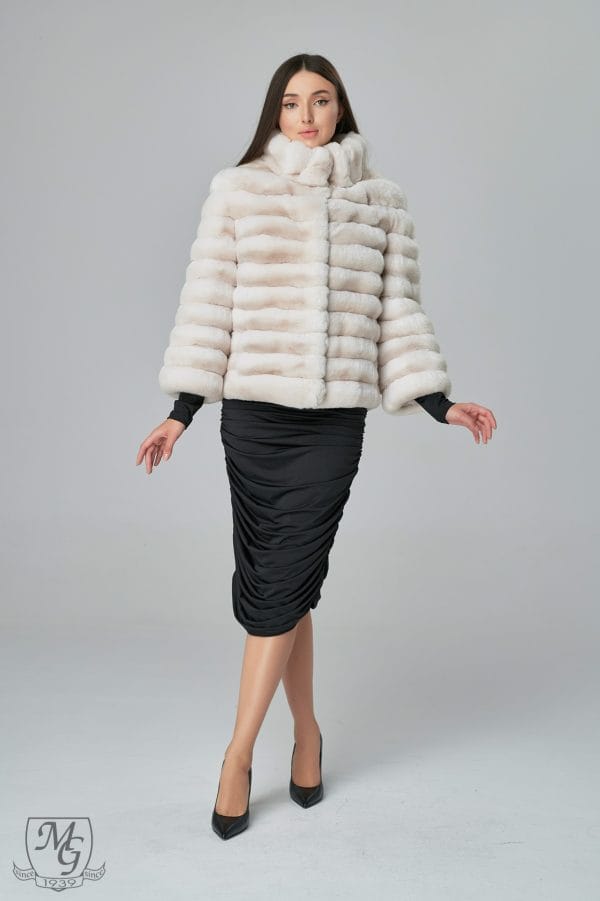
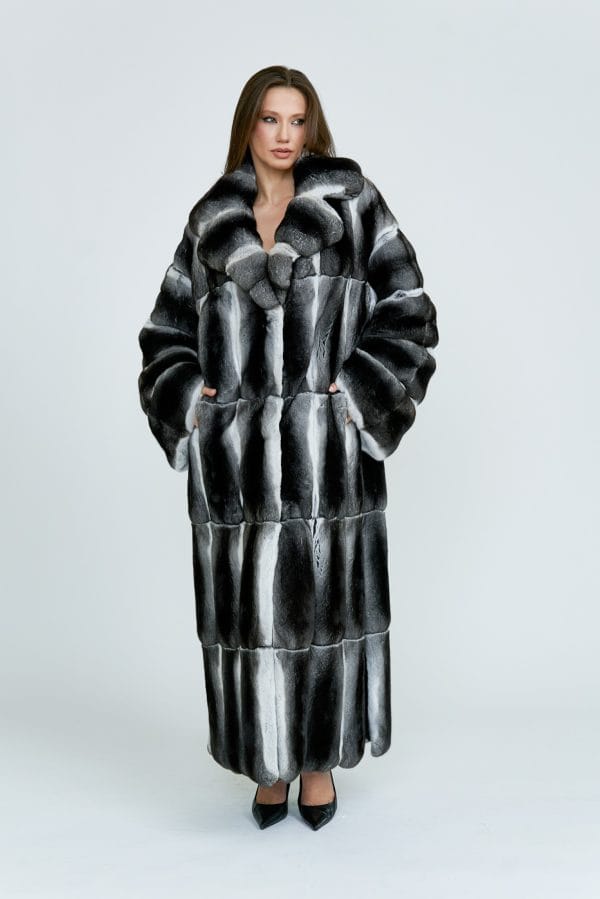
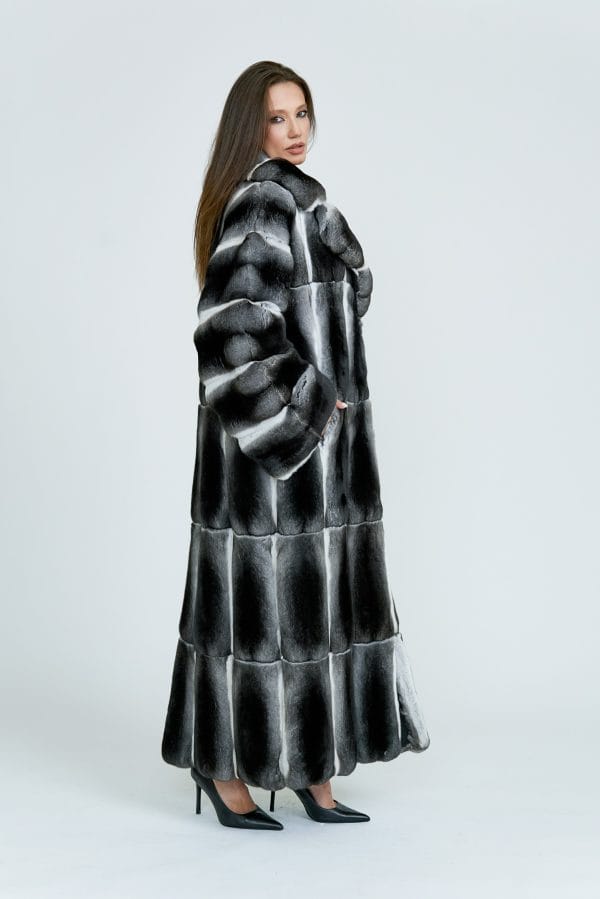
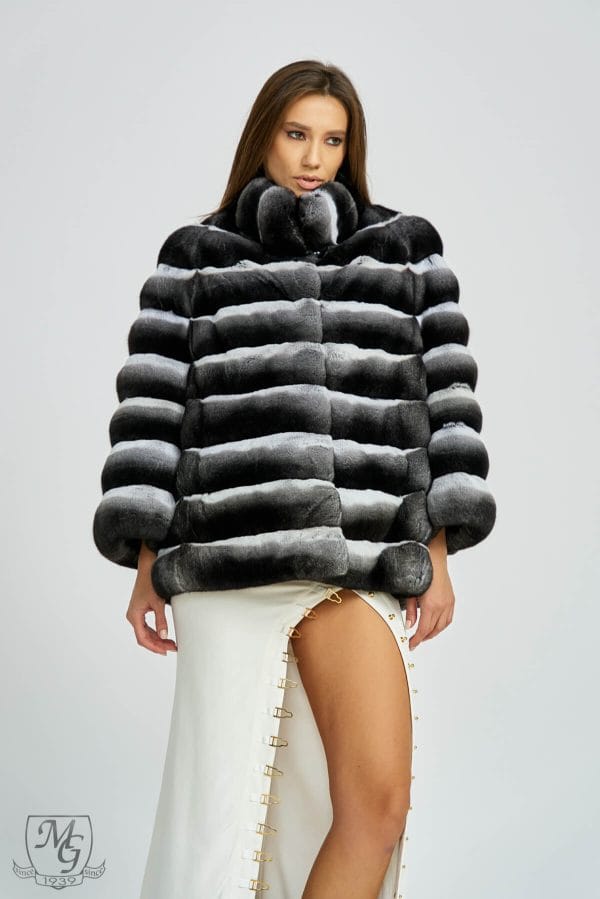
    Here you’ll find women’s chinchilla fur garments: jackets, coats, vests, capes/stoles and accessories. Chinchilla is synonymous with extreme softness, a velvety sheen and minimal weight. It is a highly recognisable luxury, a type of high-end luxury that doesn’t need a logo to be identified as such – ideal for evening outfits and special occasions, to be worn with care. Products are sorted by newest first; many pieces can be configured to your measurements (custom, made to measure, bespoke).

    Showroom: Sos. Stefan cel Mare 46, Bucharest • Opening hours: Mon–Fri 10–18, Sat 10–15 • Tel:
    +40 727 225 262 • Email:
    bianca@blana.ro

    What you’ll find here

    • Chinchilla fur coats (short/midi/long), chinchilla vests, chinchilla capes/stoles, collars and cuffs.
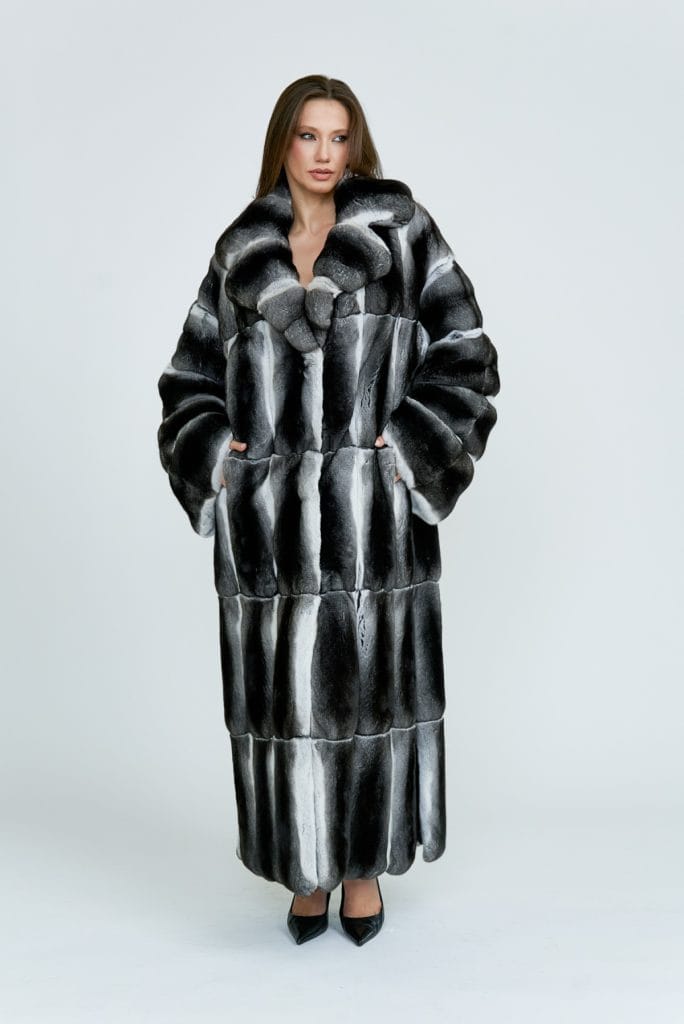
    • Selection of horizontal, vertical or diagonal pelts – or combinations of all three – depending on the cut and desired visual effect.
    • Cuts: straight and A-line for fluidity; controlled fitted silhouettes for evening; shawl collar or stand-up (tunic) collar.
    • Atelier services: made to order, restyling, repairs, Fur SPA.

    Focus on tactile sensation and fur uniformity. We select the pelts together to achieve impeccable visual continuity.

    How to choose a chinchilla fur coat

    • Events & evening wear: short/midi jacket with shawl collar – easy-to-read black-and-white contrast, velvety sheen, looks exceptional indoors.
    • Ultralight layering: chinchilla vest over dresses or fine turtlenecks – warmth and luxury with minimal weight.
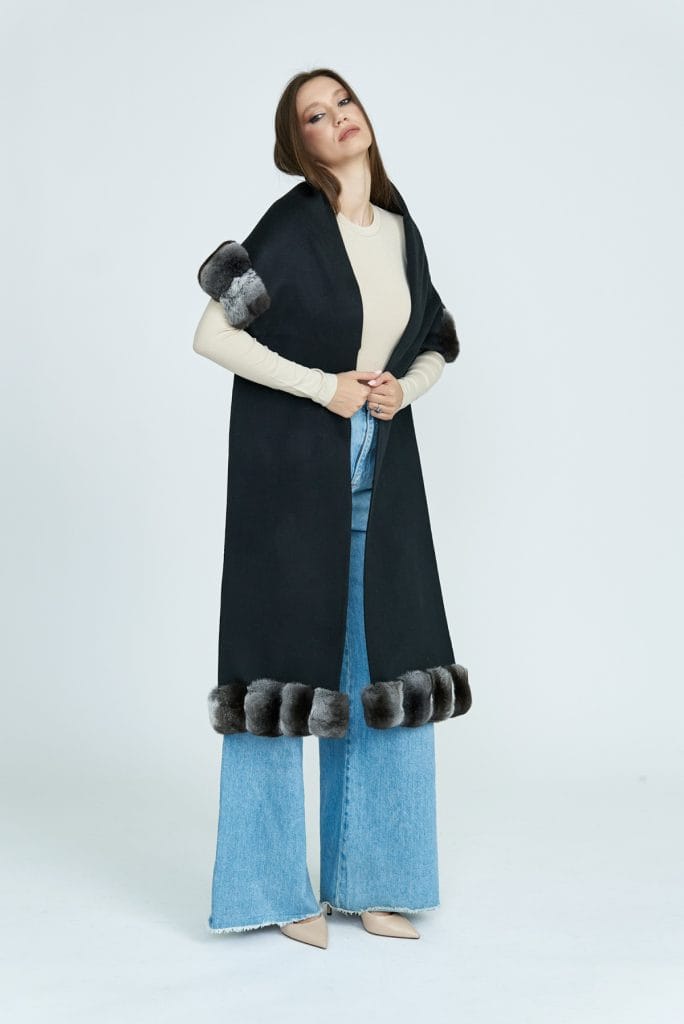
    • Elegant accent: chinchilla cape/stole – a spectacular piece over monochrome outfits, unmistakable luxury visible from afar.
    • Heirloom investment: chinchilla coat with perfectly matched measurements; requires careful wear and proper maintenance.

    With chinchilla, the uniformity and quality of the pelts – together with colour harmony and continuity of sheen – are essential. The “soft cloud” effect is achieved through meticulous selection. The way the garment is constructed also has a decisive role in the final quality.

    Consultation & fittings

    Together we choose how the pelts are arranged (horizontal vs. vertical) and the cut that suits your height and needs. We configure pieces to your measurements: custom / MTM / bespoke.

    Book a consultation

    Why chinchilla

    Extreme softness, luxury and instantly recognisable preciousness. A chinchilla fur coat offers an unmatched tactile sensation and looks extraordinary. It is the choice for refined outfits and memorable appearances – a statement piece, the most visible item in your look, the most easily recognisable form of luxury: a calm kind of power, quiet refinement, magnetic presence.

    The execution must be impeccable: the selection of pelts and the way they are matched matter enormously for the final effect.

    Cut & balance

    Straight – showcases the beauty of the material.
    A-line – fluid, feminine; sometimes requires creative pelt placement.
    Lightly fitted – maximum elegance, but calls for very fine adjustments to keep continuity of the pelts at the waist.

    Key details: shoulder width and ease, collar height and weight distribution – all crucial for real comfort in wear and resistance to tearing.

    Colours & fur quality

    Chinchilla fur is the densest natural fur on earth, with remarkable biological particularities: from a single follicle (root) grow between 50 and 90 hairs. Each follicle produces a bundle of ultra-fine hairs, 12–16 microns thick (compared to 70–100 microns for human hair). Because of this structure, air remains trapped between the hairs, which makes chinchilla extremely soft, warm and light.

    It consists only of underwool – short, very fine, dense and soft hairs with a velvety, matte texture and extremely high density. This underwool creates the sensation of softness, volume and warmth to the touch – it defines “tactile luxury”: fluffy, silky, dense. Unlike mink, which also has underwool, chinchilla has no guard hair (the outer protective layer of longer, coarser, shinier hairs that protect against moisture, dirt and wind). In other furs, guard hair protects against wear and humidity – its absence makes chinchilla more delicate in terms of wear and moisture.

    The skin (dermis) of the chinchilla is very thin and delicate and requires highly specialised tanning. We know of only two tanneries in Europe that tan this type of fur to the standard we require; for our chinchilla garments we use pelts only from these two tanneries – otherwise there may be unpleasant surprises regarding tear resistance.

    Manufacturing chinchilla garments also calls for special skill and technique. For this reason, we only sell chinchilla pieces made in our own atelier and by a single external partner who works to the same standards as we do.

    The choice of chinchilla pelts is decisive for the quality of the finished coat. Chinchilla pelts can be graded from Select Quality, First Quality, Second Quality, A Class, B Class all the way to Low Grades. Those in the Select Quality category that we use do not show any visible defects in the fur. Unlike other furs, a chinchilla pelt cannot be repaired without visible traces of intervention.

    Chromatically, natural classic black-and-white chinchilla ranges from Black Velvet (completely black) XXXDark to Dark. There are also clarity grades – Clarity 1 being the ones that go from black to clean white, down to Clarity 3, where the white is yellowish or reddish and the black shifts towards brown or red. The pelts we use – Select Quality Clarity 1 XXXDark – are the rarest and most expensive.

    For this reason, if you wear a chinchilla fur coat from MG Fur House and meet another lady wearing a commercially graded chinchilla coat, the difference will be obvious – and you’ll be proud to be wearing a true statement piece.

    Because chinchilla is delicate when it comes to tearing, we use carefully selected, resilient pelts and construction techniques designed to prevent damage. Over the years we have received many chinchilla coats for repair that were bought elsewhere, in commercial or low quality. Beyond the clear difference in appearance, repairing those garments has often required considerable time and labour; in the worst cases, they could not be repaired at all.

    Of course, there are other chinchilla shades besides the classic mix of white, grey and black. They can be very light beige (considered white) or beige-brown, either natural or bleached. These are more expensive than the best classic chinchilla because they are much rarer or require additional bleaching work.

    We strongly recommend paying attention when buying a chinchilla coat. Ask the seller for a warranty and also ask how potential defects will actually be remedied in practice, not just in theory. Even if you know we can repair it here for a fee, during the season, depending on the atelier’s workload, garments not purchased from us may have a waiting period of two to three months for repairs – practically the entire wearing season.

    A chinchilla fur coat from MG Fur House is a symphony of natural perfection, where luxury is not declared but seen and felt.

    Chinchilla vs. mink, sable, fox, lynx

    Compared with mink, chinchilla is softer and lighter, but also more fragile – a luxury piece for careful wear. Versus sable, chinchilla wins on that “soft cloud” tactile feeling, while sable offers better resistance and even lower weight. Compared with fox, chinchilla has more controlled volume and focuses on refinement rather than dramatic volume. Compared to lynx, chinchilla plays with strong tonal contrasts rather than pattern and soft contrast.

    Styling: how to highlight chinchilla fur

    • Short jacket + simple dress: let the sheen be the main accent; avoid flashy accessories.
    • Chinchilla vest: a warm, ultra-light layer; works indoors, in offices and at events.
    • Cape/stole: looks impressive over monochrome evening dresses; keep jewellery minimal.
    • Long coat: a long-term investment, to be worn with care.

    Personalisation and special orders

    We create custom pieces (on a standard model), made to measure (1–2 fittings) and bespoke (2–4 fittings, textile prototype). Together we choose pelt layout (horizontal / vertical / diagonal), density and the cut that suits your height and proportions. Details: custom fur coats.

    Care: critical recommendations

    • Store on a wide hanger, without any cover. Avoid direct heat and sun exposure.
    • Do not apply perfume or spray directly on the fur. If a stain appears, do not rub – ask for advice.
    • Schedule Fur SPA periodically (every 2–5 years) for rehydration and texture refresh.
    • Inherited or heavily worn pieces can be restyled and repaired (lining replacement, cut adjustments, replacement of sensitive pelts).

    Need everyday robustness? See mink. Prefer airy volume and a fashion effect? Fox. Looking for ultra-light luxury with discreet sheen? Sable. Want rare pattern and contrast? Lynx.

    FAQ – chinchilla fur

    Why choose a chinchilla fur coat?

    For its unmatched softness, very low weight and instantly recognisable luxury. It is the ideal piece for evening and events, provided it is worn with care and properly maintained.

    Is chinchilla suitable for frequent wear?

    It is the most delicate type of fur. We recommend careful wear and alternating it with other pieces; for refresh, schedule Fur SPA periodically.

    Which cut flatters chinchilla fur best?

    Straight or A-line cuts best showcase fluidity and continuous sheen. We usually recommend jackets with a length of 60–65 cm as the first option, up to around 100 cm as the second; very long garments (120–130 cm) are less recommended.

    How do I care properly for a chinchilla coat?

    Store on a wide hanger, without any cover, away from heat sources, sunlight and UV light. Do not apply perfume. If stains appear, do not rub, wash or attempt DIY fixes – ask for advice. Refresh with Fur SPA every 2–5 years.

    Can old chinchilla pieces be restyled?

    Yes, if the original material was top quality. Otherwise, in many cases it cannot even be repaired, let alone restyled. We assess each piece in our atelier before making recommendations.

    Is a chinchilla vest a good idea?

    Yes. A chinchilla vest offers warmth and comfort with minimal weight – ideal indoors and at events where you want both mobility and elegance.

    What does the chinchilla fur warranty actually cover?

    Fur garments bought from MG Fur House are serviced in our own atelier, free of charge and with priority, in the unlikely event of material or manufacturing defects. If defects are caused by the client (tears from snagging, stains, soaking, etc.), we repair them with a 20% discount on labour and with priority, to minimise the time you can’t wear the coat.

    IMPORTANT: Always ask the seller what the warranty really includes: who performs the repair, how long it takes and which specific risks are covered by the warranty certificate. Check the contact details and the real possibility of bringing the coat in for service. Avoid “warranties” with no legal entity, full contact details or real support behind them.

    Haven’t found the ideal balance between pelt layout and cut? We select the panels together and configure the piece to your measurements – custom, MTM or bespoke.